
About CNshopper Spreadsheet
Click the images below to browse!






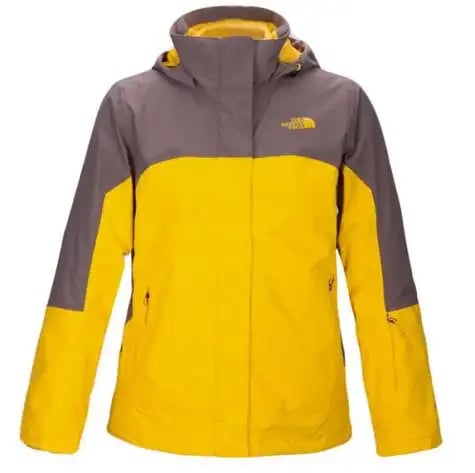


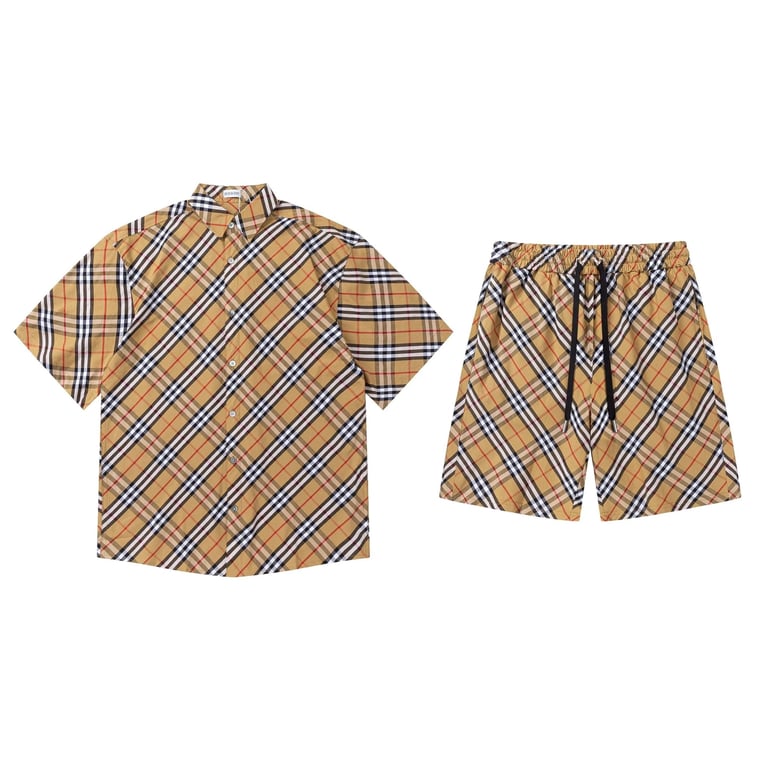
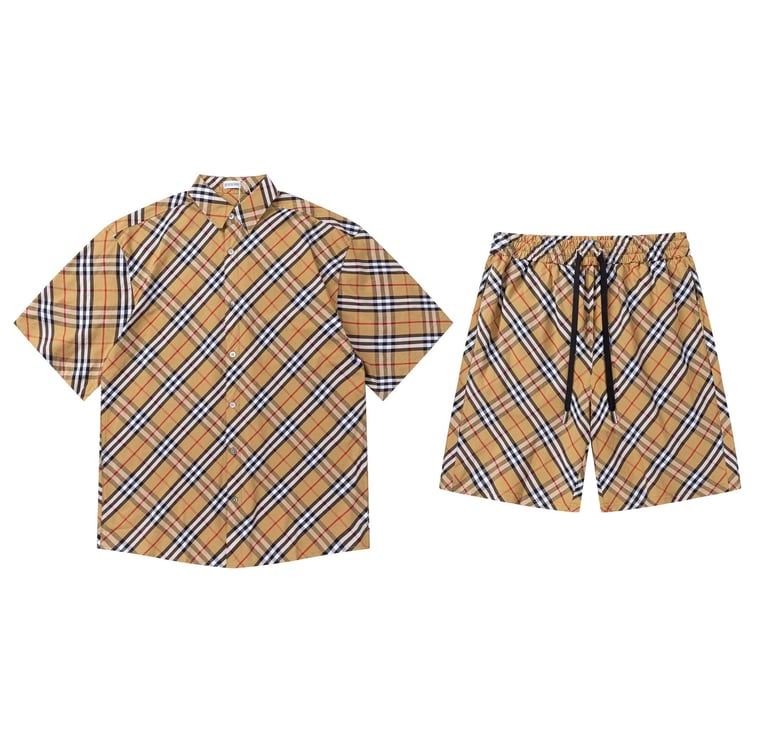



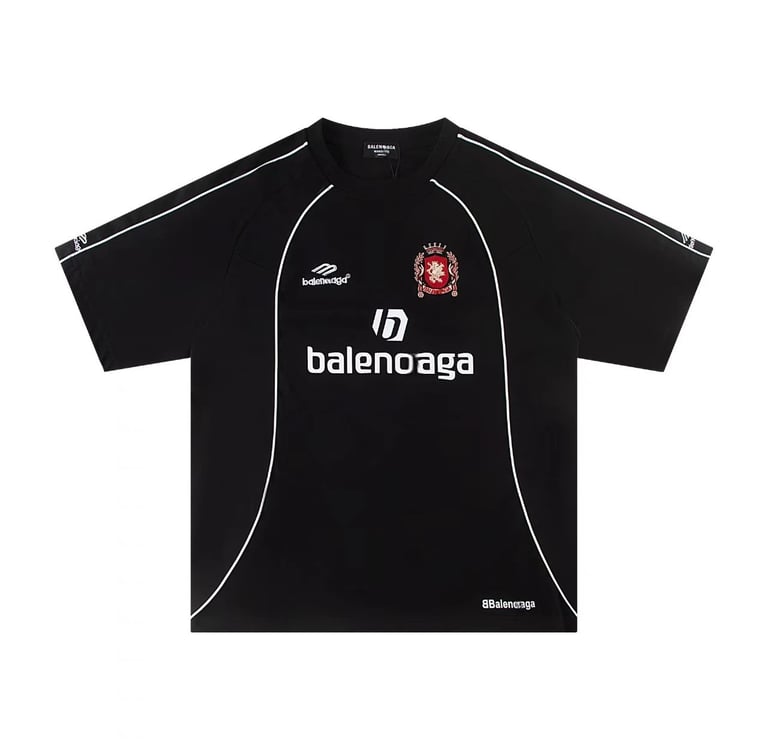



Improving product discovery with CNshopper spreadsheet
In cross-border ecommerce, product discovery is often the most misunderstood part of the sourcing process. Many users assume discovery simply means “finding trending products,” but in reality it involves filtering large volumes of fragmented listings, identifying meaningful product patterns, and distinguishing stable opportunities from short-term noise.
Without structure, discovery becomes repetitive keyword searching across platforms like micro-stores and wholesale marketplaces. This leads to inconsistent results and missed opportunities. The CNshopper spreadsheet changes this by turning discovery into a structured, data-driven process instead of a random browsing activity.
This article explains how product discovery is improved through the CNshopper spreadsheet, focusing on structure, filtering logic, and sourcing intelligence.
Why traditional product discovery is inefficient
In a typical ecommerce environment, product discovery relies heavily on:
Keyword searches on supplier platforms
Social media trend observation
Manual browsing across multiple stores
Trial-and-error exploration of listings
These methods are not scalable because they depend on:
User intuition rather than structured signals
Inconsistent product naming across suppliers
Fragmented data sources with no unification layer
Short-term visibility rather than long-term patterns
As a result, users often discover products too late or choose items without understanding their sourcing stability.
The CNshopper spreadsheet solves this by reorganizing discovery into structured product intelligence.
Step 1: Turning scattered listings into structured discovery units
The first improvement introduced by the CNshopper spreadsheet is consolidation.
Instead of viewing products as isolated listings, the system groups them into:
Product clusters based on similarity
Supplier groups offering comparable items
Functional categories across micro-stores and wholesale sources
Variation-based product families
This transforms discovery from a “single-item search” into a “pattern recognition process.”
Users no longer look for individual products—they explore structured groups of opportunities.
Step 2: Using category-based discovery instead of keyword dependency
Keyword-based discovery is one of the biggest limitations in traditional sourcing. Small changes in naming can completely alter search results.
The CNshopper spreadsheet reduces keyword dependency by emphasizing:
Category-level navigation
Functional product grouping
Usage-based classification
Cross-supplier category alignment
This allows users to discover products even when they don’t know exact search terms.
Discovery becomes system-guided instead of language-dependent.
Step 3: Identifying product patterns instead of isolated trends
One of the most powerful improvements in the CNshopper spreadsheet is pattern-based discovery.
Instead of focusing on single viral products, the system highlights:
Repeated product appearances across suppliers
Emerging product clusters within categories
Variation expansion patterns in similar listings
Gradual supply density increases over time
These patterns indicate deeper market movement rather than short-lived spikes.
This helps users identify sustainable opportunities instead of reactive trends.
Step 4: Filtering discovery results using structural signals
Not all discovered products are useful. The CNshopper spreadsheet applies structural filtering to improve quality.
Key filtering signals include:
Supplier repetition across listings
Pricing stability across product clusters
Variation consistency within product groups
Category density strength
Listing longevity across updates
By filtering based on structure rather than popularity, users can focus on high-quality sourcing opportunities.
This reduces noise significantly in discovery workflows.
Step 5: Expanding discovery through cross-supplier visibility
In fragmented markets, the same product may appear across multiple suppliers with subtle differences.
The CNshopper spreadsheet improves discovery by:
Linking similar products across different sources
Showing variation of the same product in multiple listings
Highlighting supplier competition for identical items
Mapping product equivalence across micro-stores
This expands discovery beyond single listings and reveals full market coverage for each product type.
Users gain visibility into how widely a product exists in the supply ecosystem.
Step 6: Improving discovery accuracy through behavioral signals
Beyond structure and categories, the CNshopper spreadsheet also uses behavioral signals to refine discovery.
These signals include:
Frequency of product reappearance across suppliers
Rate of variation expansion or reduction
Stability of pricing across listings
Category-level activity intensity
Behavioral signals help distinguish meaningful opportunities from random or unstable listings.
This adds a predictive layer to product discovery.
Step 7: Connecting discovery to real-world validation using CNshopper links
Discovery alone is not enough. Validation is required to confirm real sourcing potential.
This is where CNshopper links completes the workflow:
Direct access to supplier product pages
Real-time pricing verification
Stock and variation confirmation
Multi-supplier comparison capability
This ensures that discovery is not theoretical—it is immediately actionable.
Common mistakes in product discovery workflows
Without structured systems, users often:
Rely too heavily on trending keywords
Ignore underlying product structure
Focus on isolated listings instead of clusters
Misinterpret short-term spikes as opportunities
Fail to validate discovered products
The CNshopper spreadsheet addresses these issues by shifting focus from surface-level discovery to structural analysis.
Practical workflow for improved product discovery
A structured discovery process includes:
Browse category clusters in CNshopper spreadsheet
Identify product groups instead of individual listings
Analyze supplier repetition and variation patterns
Apply structural filters to remove noise
Evaluate behavioral signals
Shortlist discovery clusters
Validate using CNshopper links
This workflow ensures discovery is systematic, not random.
Conclusion
The CNshopper spreadsheet improves product discovery by transforming fragmented listings into structured clusters, reducing keyword dependency, and introducing pattern-based and behavior-driven analysis. Instead of relying on unpredictable browsing, users gain a structured framework for identifying meaningful sourcing opportunities.
When combined with CNshopper links, discovery becomes fully actionable, allowing users to move seamlessly from structured insights to real-time supplier validation in cross-border ecommerce environments.