
CNshopper Finds
Spreadsheet
OVER 5000+
WITH QC PHOTOS
Click the images below to browse!






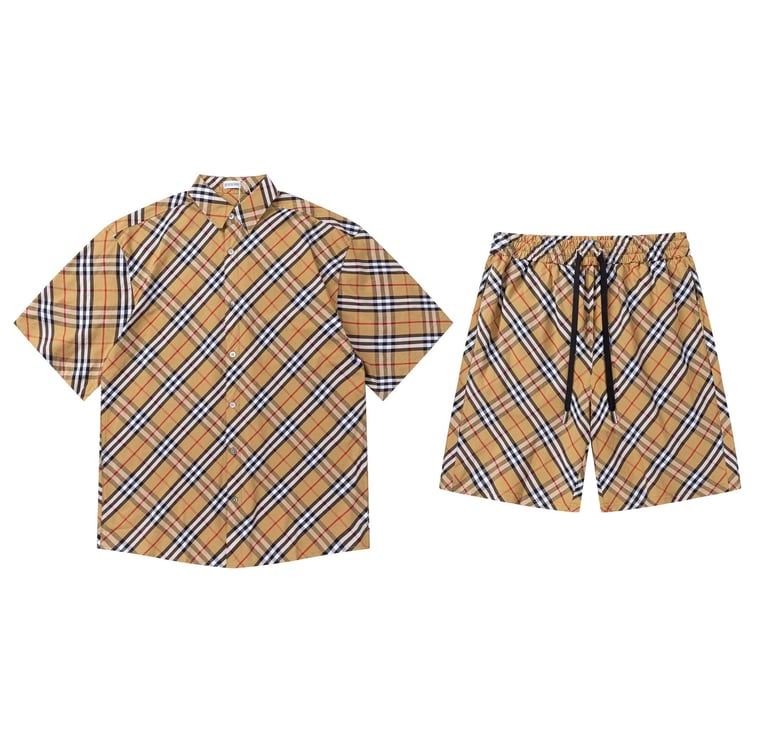
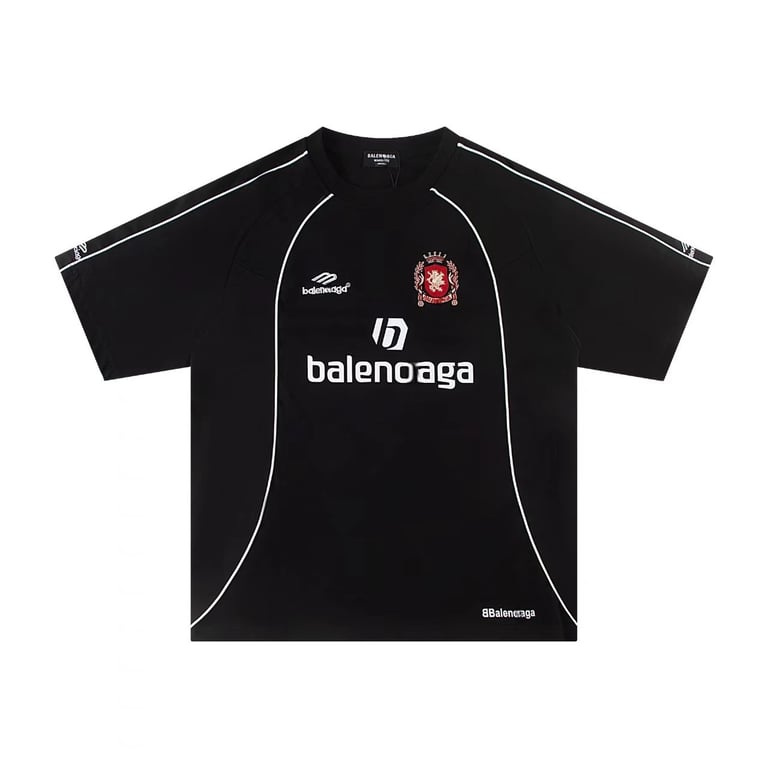



How to search products using CNshopper spreadsheet
In cross-border ecommerce, product search is often treated as a simple keyword action, but in reality it is one of the most critical and misunderstood stages of sourcing. Traditional search methods rely heavily on guessing product names, repeating queries, and manually filtering results across multiple suppliers. This creates inefficiency and often leads to incomplete or biased product discovery.
The CNshopper spreadsheet introduces a different approach: search is not just keyword-based, but structure-based. Instead of asking “what should I search for?”, users learn how to navigate structured product data to find sourcing opportunities more effectively.
This article explains how product search works inside the CNshopper spreadsheet, focusing on search logic, filtering behavior, and structured discovery methods.
Rethinking product search in cross-border sourcing
In traditional ecommerce platforms, search typically works like this:
User enters keyword
System returns mixed supplier results
User manually filters irrelevant listings
User repeats the process multiple times
This method assumes that users already know exactly what they are looking for. In cross-border sourcing, that assumption is often incorrect.
The CNshopper spreadsheet replaces keyword-first searching with structured discovery logic, where products are already organized into comparable groups before search begins.
Step 1: Starting search from structured categories instead of keywords
In the CNshopper spreadsheet, search begins with category navigation rather than direct keyword input.
Users typically start by selecting:
Product category clusters
Functional groups (e.g., storage, accessories, apparel basics)
Usage-based segments (home, lifestyle, utility products)
This reduces search noise and helps users focus on meaningful product groups instead of scattered listings.
Category-first search also improves consistency in sourcing decisions.
Step 2: Using structural filters instead of keyword repetition
Instead of repeatedly changing keywords, the CNshopper spreadsheet allows users to refine results through structural filters such as:
Supplier density within a product group
Variation complexity level
Pricing range consistency
Listing repetition across sources
These filters help users narrow down results based on product behavior rather than language variations.
This approach reduces dependency on exact keyword accuracy, which is often unreliable in micro-store ecosystems.
Step 3: Identifying product clusters instead of single listings
One of the key differences in the CNshopper spreadsheet search model is the focus on clusters rather than individual products.
A product cluster represents:
Multiple suppliers offering similar items
Variations of the same core product
Different pricing tiers for comparable goods
Functionally equivalent listings
Instead of selecting one product from search results, users evaluate entire clusters to understand market structure.
This improves sourcing decisions by showing the full competitive landscape.
Step 4: Using comparison-based search logic
Traditional search returns a list of isolated results. The CNshopper spreadsheet instead encourages comparison-driven search behavior.
Users can:
Compare multiple suppliers within the same cluster
Evaluate pricing differences across listings
Analyze variation availability side by side
Identify stable vs unstable product options
This transforms search from a discovery action into a decision-making process.
Comparison becomes part of search, not a separate step.
Step 5: Filtering out low-quality or unstable search results
Not all search results are useful for sourcing. The CNshopper spreadsheet helps filter out weak signals such as:
Isolated listings with no supplier repetition
Highly volatile pricing entries
Products with inconsistent variation structures
Short-lived or experimental listings
By removing these results, users focus only on structurally meaningful product opportunities.
This improves both efficiency and sourcing reliability.
Step 6: Refining search through behavioral signals
Beyond category and filters, the CNshopper spreadsheet also uses behavioral signals to refine search outcomes.
These signals include:
How frequently a product appears across suppliers
Whether variations are expanding or shrinking
Stability of pricing across listings
Category-level density of similar products
Behavioral signals help users identify which search results are worth deeper analysis.
This adds a predictive layer to the search process.
Step 7: Transitioning from search to validation using CNshopper links
Search inside the CNshopper spreadsheet is only the first stage. Once potential products are identified, validation is required.
This is where CNshopper links becomes essential.
Users can:
Open exact supplier pages directly
Verify real-time product availability
Check updated pricing and variations
Compare multiple suppliers instantly
This ensures that search results are not just theoretical—they are verified in real sourcing environments.
Common mistakes in product search workflows
Without structured search systems, users often:
Rely too heavily on keyword guessing
Repeat searches instead of refining structure
Focus on individual listings instead of clusters
Ignore supplier-level comparison
Skip validation after search
The CNshopper spreadsheet addresses these issues by restructuring how search itself is performed.
Practical workflow for searching products
A structured search process includes:
Select category cluster in CNshopper spreadsheet
Apply structural filters (pricing, variation, supplier density)
Identify product clusters instead of single listings
Compare options within clusters
Evaluate behavioral signals
Shortlist potential sourcing opportunities
Validate using CNshopper links
This workflow ensures search is systematic rather than random.
Conclusion
The CNshopper spreadsheet transforms product search from a keyword-based guessing process into a structured discovery system. By focusing on categories, clusters, filters, and behavioral signals, it allows users to identify sourcing opportunities more efficiently and accurately.
When combined with CNshopper links, the search process becomes a complete workflow—from structured discovery to real-time supplier validation—creating a more reliable and scalable cross-border ecommerce sourcing system.


CNshopper links as a shortcut to global product pages
In cross-border ecommerce, one of the biggest inefficiencies is not product discovery, but navigation. Even after identifying a product, users often spend extra time searching for the correct supplier page, verifying availability, and comparing listings across different sources. This delay may seem small, but at scale it significantly slows down sourcing workflows and reduces responsiveness to market opportunities.
The CNshopper links system is designed to remove this friction by acting as a direct shortcut layer between structured product data in the CNshopper spreadsheet and global supplier pages. Instead of repeating searches across platforms, users can instantly access the exact product source with a single step.
This article explains how CNshopper links function as a shortcut system for global product pages and why this mechanism is important in modern cross-border sourcing.
Why navigation is a hidden bottleneck in sourcing
Most sourcing workflows focus on finding products, but ignore the cost of accessing them repeatedly. In reality, navigation is a major hidden bottleneck.
Without a shortcut system, users typically:
Search product names manually on different platforms
Open multiple irrelevant or duplicate listings
Re-verify supplier identity across pages
Rebuild search paths for the same products repeatedly
These steps consume time and introduce unnecessary complexity, especially when working with large product volumes.
The CNshopper links system eliminates this inefficiency by creating predefined navigation paths.
Step 1: From structured data to direct access paths
Inside the CNshopper spreadsheet, each product is not just an entry—it is connected to a predefined access route.
Instead of requiring users to:
Guess keywords
Search manually on external platforms
Filter through unrelated results
The system allows direct transition to supplier pages through CNshopper links.
This means the sourcing journey becomes:
structured data → direct page access → real-time validation
Rather than fragmented navigation, users follow a fixed and optimized path.
Step 2: Eliminating repeated search cycles
One of the biggest inefficiencies in global sourcing is repetition. Users often search for the same product multiple times in different contexts.
With CNshopper links, repetition is removed:
No need to retype product names
No need to re-filter supplier listings
No need to re-identify correct product pages
No need to cross-check multiple search results manually
Each product has a direct entry point, allowing users to bypass redundant search cycles entirely.
This significantly improves operational efficiency in high-volume sourcing environments.
Step 3: Providing instant access to global supplier pages
The core function of CNshopper links is instant access.
Users can:
Open supplier product pages directly
Jump into micro-store or wholesale listings immediately
Skip platform-level search interfaces
Reach exact product environments without intermediate steps
This shortcut behavior is especially valuable in fast-moving markets where product availability and pricing can change frequently.
Speed of access often determines whether a sourcing opportunity is still valid.
Step 4: Reducing mismatch and incorrect product selection
Manual navigation often leads to incorrect product selection due to:
Similar product names across suppliers
Duplicate listings with subtle differences
Outdated search results
Misleading keyword matches
CNshopper links reduces these risks by connecting directly to verified product entries from the CNshopper spreadsheet.
This ensures:
Higher accuracy in supplier identification
Lower risk of selecting incorrect variants
Reduced dependency on keyword interpretation
More consistent sourcing outcomes
The system prioritizes correctness over search flexibility.
Step 5: Enabling fast multi-supplier comparison
Global sourcing rarely relies on a single supplier. Comparison is essential for pricing, availability, and variation analysis.
With CNshopper links, users can:
Open multiple supplier pages in sequence or parallel
Compare pricing structures across listings
Evaluate variation completeness between sellers
Identify the most stable supply option quickly
This transforms comparison from a slow manual process into a rapid navigation flow.
Instead of searching again for each supplier, users jump directly between sources.
Step 6: Supporting time-sensitive sourcing decisions
In ecommerce, timing is critical. Products that are trending or in high demand often have short windows of opportunity.
The shortcut nature of CNshopper links supports:
Faster reaction to new product signals
Immediate validation of trending items
Reduced delay between discovery and sourcing action
Real-time decision-making based on live data
This improves competitiveness in fast-moving product categories.
Step 7: Integrating shortcut access with CNshopper spreadsheet logic
The real strength of the system comes from integration.
The CNshopper spreadsheet provides:
Structured product grouping
Category-based organization
Supplier relationship mapping
Pricing and variation signals
The CNshopper links provide:
Direct access shortcuts
Real-time supplier environments
Validation and comparison capability
Together, they create a two-layer system:
Structured discovery layer
Shortcut execution layer
This reduces friction across the entire sourcing lifecycle.
Common inefficiencies without shortcut systems
Without CNshopper links, users often experience:
Repeated manual searches for the same product
Lost time navigating irrelevant pages
Difficulty identifying correct supplier sources
Delays in accessing live product data
Fragmented comparison workflows
These inefficiencies accumulate and significantly slow down sourcing operations.
Practical workflow using CNshopper links
A streamlined sourcing process includes:
Identify product in CNshopper spreadsheet
Confirm product cluster and supplier structure
Use CNshopper links to open supplier pages directly
Validate pricing and availability
Compare multiple suppliers quickly
Select sourcing option based on live data
This workflow removes unnecessary navigation steps entirely.
Conclusion
The CNshopper links system functions as a shortcut layer that connects structured product data in the CNshopper spreadsheet directly to global supplier pages. By eliminating manual search steps, reducing navigation friction, and enabling instant access to product sources, it significantly improves sourcing speed and accuracy.
When combined with structured data logic, it transforms cross-border ecommerce sourcing from a fragmented browsing process into a streamlined, efficient, and execution-ready workflow.